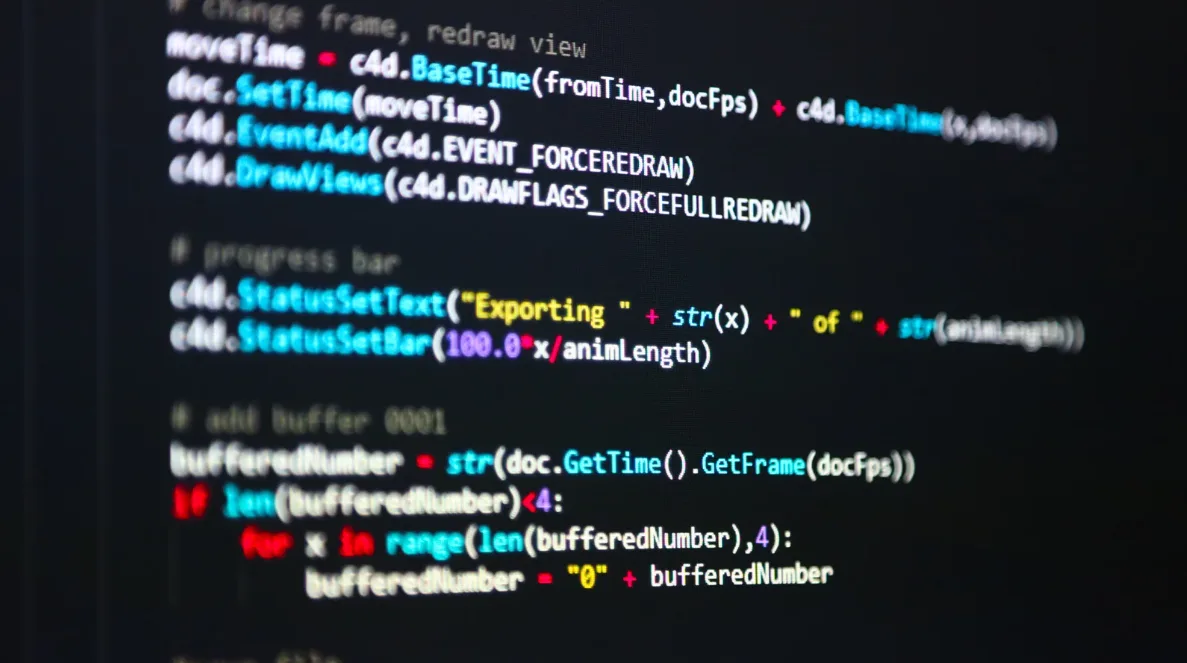
Python is one of the most versatile programming languages used today. From building websites to automating tasks, Python simplifies complex processes, making it a favorite among developers and cybersecurity professionals alike.
How Programming Works
Computers only understand binary code—sequences of 0s and 1s. Programming languages like Python allow developers to write instructions in a more human-friendly way, which are then translated into machine-readable commands.
Why Use Python?
- General-Purpose Language – Python can be used for web development, data analysis, automation, and more.
- Easy to Learn – Its simple syntax makes it beginner-friendly.
- Interactive workflow – Python can be run through an interpreter or interactive shell, which makes it convenient to test small changes while developing a script.
Python in Cybersecurity
In the field of cybersecurity, Python plays a crucial role in automating repetitive tasks, analyzing threats, and securing systems. Some key cybersecurity applications include:
- Log Analysis – Automating the detection of suspicious activity in system logs.
- Malware Analysis – Identifying and understanding malicious software.
- Network Scanning – Collecting information about hosts, ports, and services during authorized security work.
- Intrusion Detection – Monitoring network traffic for signs of attacks.
Whether you're new to coding or looking to enhance your cybersecurity skills, Python is an essential tool that can streamline processes and improve security measures.
Want to share your thoughts on Python in cybersecurity? Feel free to reach out! You can contact me for discussions, insights, or collaboration opportunities. I’d love to hear your opinions!